DISCLOSURE: This post contains affiliate links. If you purchase through our links we may earn a small commission at no extra cost to you.
The Short Answer
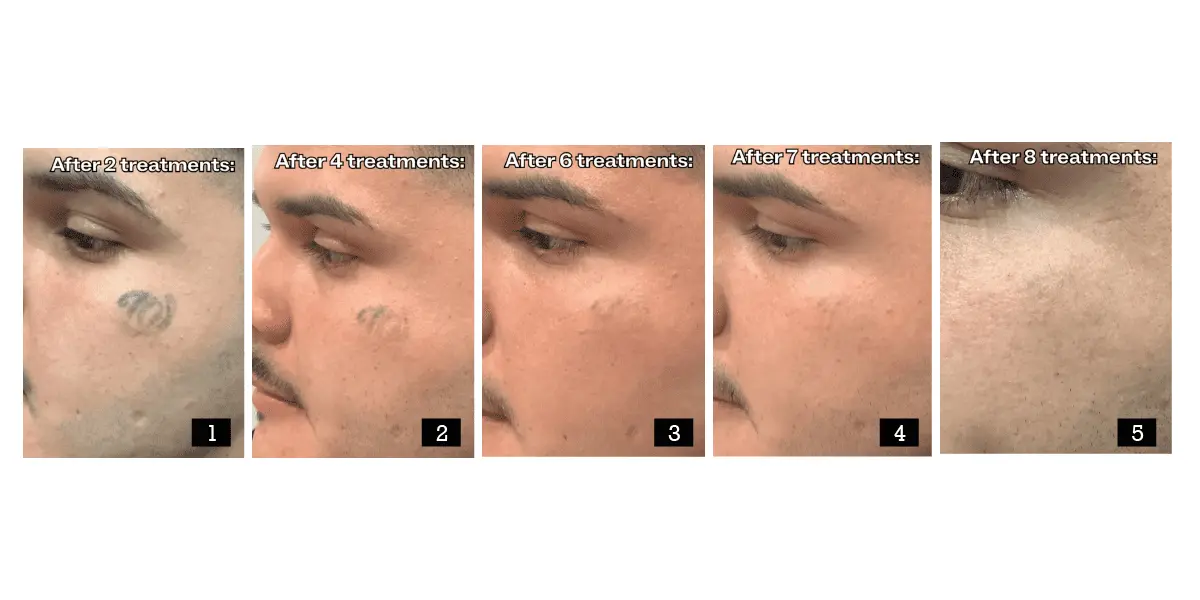
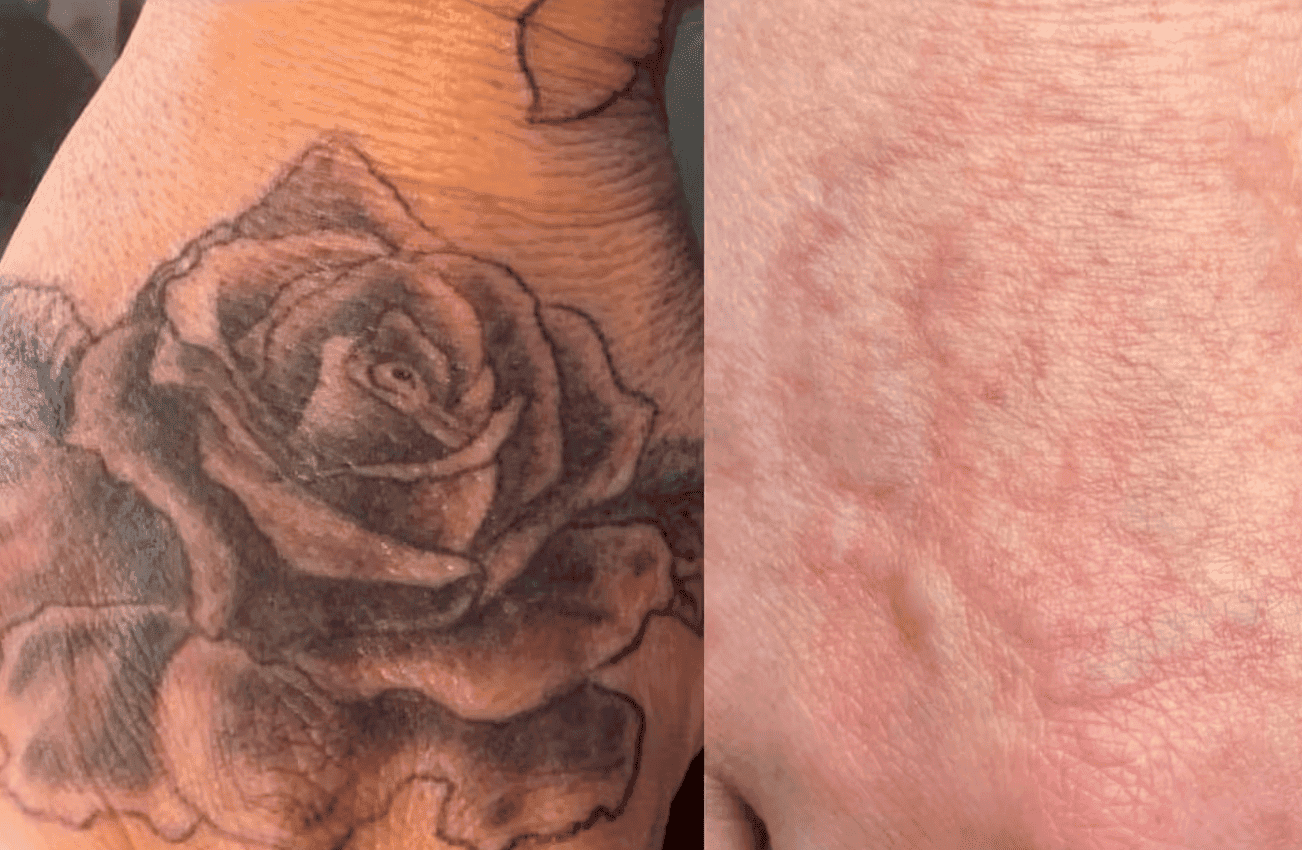
Your skin frosts white within seconds, swells and reddens for a day or two, then scabs or blisters for one to two weeks before settling into pink new skin. Over the following months it may look paler, shinier, or slightly firmer than the surrounding area, and most of that evens out between six months and two years as melanocytes recover. Anything that spreads, smells, worsens after day four, or hardens into a raised ridge is outside the normal range and needs looking at.
Nobody told you that the white patch left behind after your third session might take eighteen months to re-pigment, or that on darker skin it might not fully return at all. That's a conversation your clinic should have had with you before you paid the deposit, not one you have with yourself at 2am reading forums. Why This Guide Exists Removal clinics are good at explaining pain and cost and bad at explaining skin. You get a laminated aftercare card telling you to keep it clean and dry, and then your arm does something the card never mentioned — it weeps, or turns purple-grey, or develops a blister the size of a grape — and you have no framework for whether that's fine. Most of it is fine. Controlled thermal injury is the entire mechanism of removal, so your skin is supposed to behave like injured skin. The problem is that the normal range here is genuinely wide and genuinely ugly, which makes the actual warning signs hard to pick out. People panic about a blister and ignore a low-grade throb that's been building for three days. What Most People Get Wrong The biggest misconception is that a strong reaction means a strong result. It doesn't. Aggressive settings that leave you blistered across the whole piece don't clear more ink than moderate settings — they just add inflammation, downtime, and scarring risk. A technician who leaves you looking wrecked isn't working harder on your behalf. The second is treating pigment change as damage. Hypopigmentation, where the treated area goes paler than surrounding skin, is the most common cosmetic complaint after removal and it's usually temporary. Melanocytes are more heat-sensitive than the surrounding tissue, so they shut down production before anything else is harmed. They generally restart. HONEST LIMITATION: On Fitzpatrick types IV to VI, melanocyte recovery is less predictable and hypopigmentation can be permanent. The specific failure is that higher baseline melanin competes with tattoo ink for laser energy, so clinics either use too much power and destroy melanocytes outright, or too little and achieve nothing — and many technicians are trained on lighter skin and never learn the settings that thread that gap.
MELANOCYTE DAMAGE AND DERMAL REMODELLING AFTER THERMAL INJURY
A Q-switched or picosecond pulse delivers energy in nanoseconds, faster than heat can spread to neighbouring tissue. Ink particles absorb it and fracture, but melanin in the basal layer absorbs the same wavelengths — which is why your skin, not just your tattoo, takes a hit. Melanocytes are unusually heat-sensitive and respond to that thermal shock by suspending melanin production. That's hypopigmentation: not dead cells, just a factory that switched off. In the opposite direction, inflammation can trigger overproduction and leave post-inflammatory hyperpigmentation, a darker patch that fades over months as keratinocytes turn over. Underneath that, fibroblasts are laying down new collagen to repair the micro-injury in the dermis. Early collagen is disorganised and denser than the mature tissue it replaces, which is why a treated area can feel firm, look shiny, or catch the light differently for months. Over the next year that collagen remodels — the tangled type III fibres are gradually replaced by aligned type I — and the texture normalises. Think of it as a road resurfaced in a hurry: the patch is functional immediately but you can see and feel the seam until the whole surface settles.
"Hypopigmentation after removal typically resolves within 6 to 12 months, but on darker skin tones it can take two years or never fully return."
Already have your design? Each design in our library includes the recommended aftercare protocol for its specific style and placement. Browse verified designs →
Exactly What To Do, Day by Day
MINUTE 0-30: FROSTING AND THE IMMEDIATE REACTION
The treated area turns chalk-white the instant the pulse lands, like frost on a window, and stays that way for 20 to 30 minutes before fading to red. It stings sharply and radiates heat, similar to a bad sunburn under a rubber band snap. Uniform white frosting that fades on schedule is normal; frosting that goes grey-black, or a deep dull thud of pain rather than a surface sting, is not. Sit still, let the clinic apply a cool pack and a non-adherent dressing. Don't rub or press the area to test it — the epidermis is fragile and you'll lift it.
HOUR 1-48: SWELLING, HEAT AND WEEPING
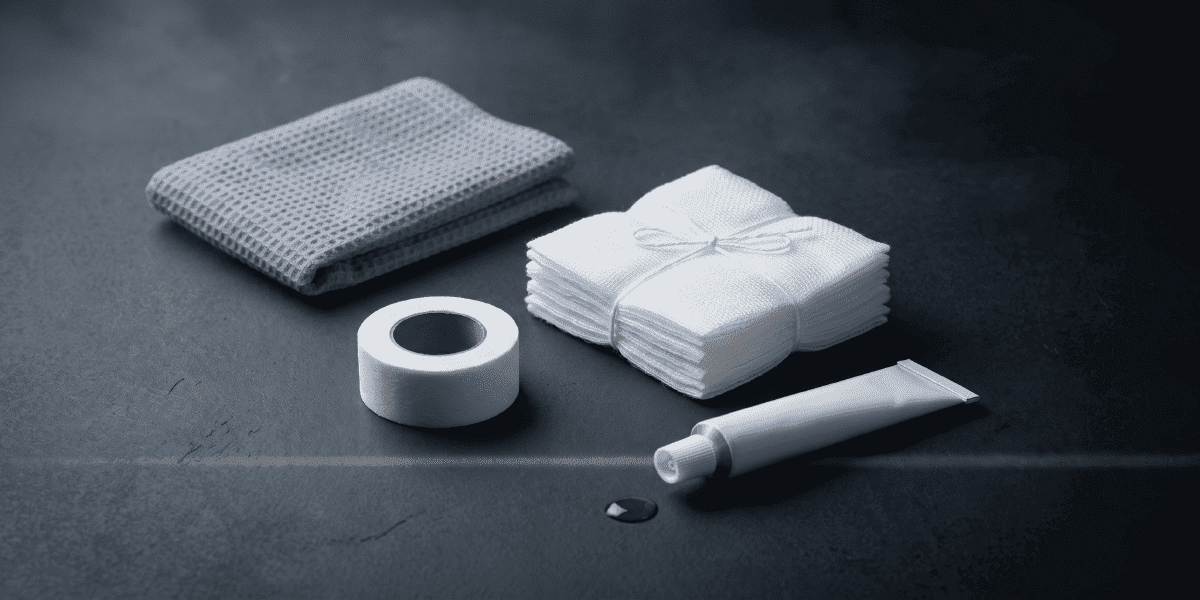
The area puffs up and goes hot pink to dark red, often extending a centimetre or two past the tattoo edges, and it may weep clear or straw-coloured fluid onto the dressing. It feels tight, hot and heavy, and on hands, feet or ankles the swelling can be dramatic enough to affect movement. Clear or yellowish weeping, warmth and swelling that peaks around 24 hours are normal; cloudy or foul-smelling discharge, red streaks running away from the site, or fever is not. Change the dressing daily, keep it dry, elevate limbs where you can. Don't apply antibiotic ointment unless the clinic told you to — it's a common contact allergen and does nothing here.
DAY 2-5: BLISTERING
Blisters form over the densest ink, sometimes small and scattered, sometimes single and alarmingly large, filled with clear or blood-tinged fluid. They feel tense and tender, and the skin around them is still pink. Blisters of any size that stay intact and localised to the treated area are normal — they're a textbook laser response, not a burn gone wrong; blisters spreading well beyond the treated outline, or filled with thick yellow-green fluid, are not. Cover them with a loose dry dressing and let them do their thing. Don't pop them — the roof is a sterile biological bandage, and removing it exposes raw dermis and roughly triples your scarring risk.
DAY 5-14: SCABBING, ITCHING AND THE UGLY STAGE
What To Never Use
Sun exposure on healing or recently healed skin
UV stimulates melanin production in an area whose melanocytes are already dysregulated, which converts temporary pigment change into a permanent one and forces lower laser energy at your next session
Popping blisters or lifting scabs early
the intact roof is a sterile barrier over exposed dermis, and removing it introduces bacteria and drives fibroblasts into disorganised collagen deposition, which is the direct mechanism behind removal scarring
Antibiotic ointments like Neosporin as a default aftercare
neomycin and bacitracin are among the most common contact allergens in dermatology, and the resulting allergic dermatitis looks exactly like the infection you were trying to prevent
Swimming pools, hot tubs and baths while the skin is open
submerging a wound softens the scab, macerates new epidermis, and delivers Pseudomonas straight into an unprotected dermal surface
Exfoliants, retinoids and acids on the treated area for at least eight weeks
they accelerate epidermal turnover in skin that's still rebuilding its barrier, which prolongs redness and worsens post-inflammatory pigment change