Loading
Tattoo Removal
Tattoo Removal Before and After — What Results Actually Look Like 2026
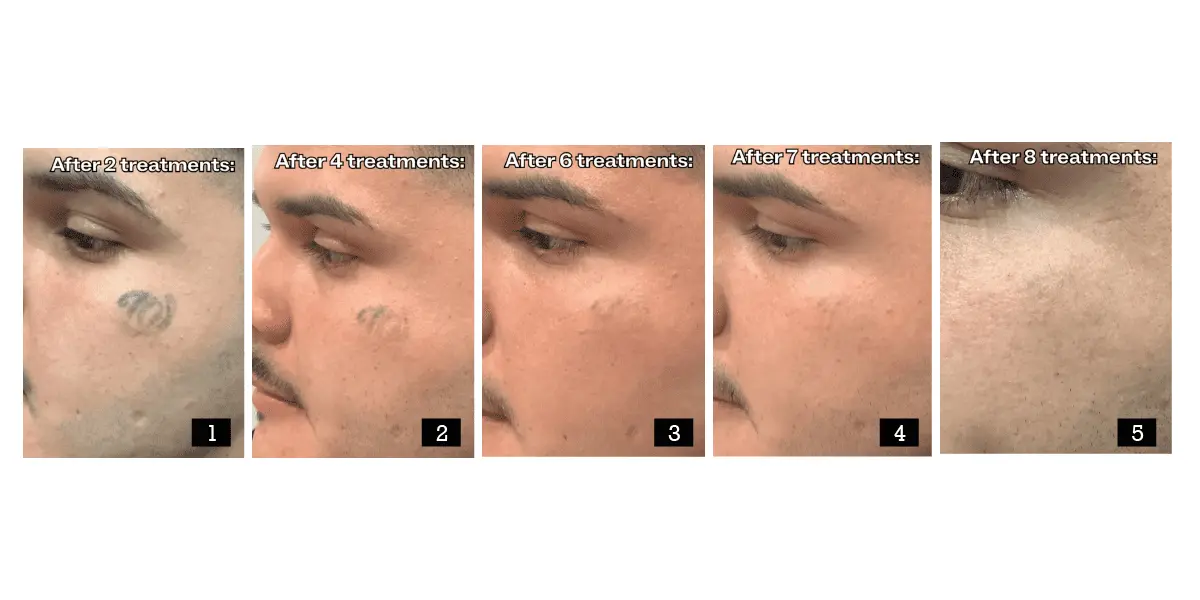
Laser removal breaks ink into fragments small enough for your immune system to carry away, and that clearance happens over six to eight weeks per session. Most tattoos need 6 to 12 sessions spaced 8 to 12 weeks apart, and the visible change between sessions gets smaller as you go — the first three sessions do the dramatic work, the last five chase the stubborn remainder. The realistic end point for most people is a faint ghost or a slight texture change, not blank skin.
TattoosMapJul 27, 2026 · 0 Comments
Read More
How to Choose a Tattoo Removal Clinic — The 7 Questions That Expose a Bad One
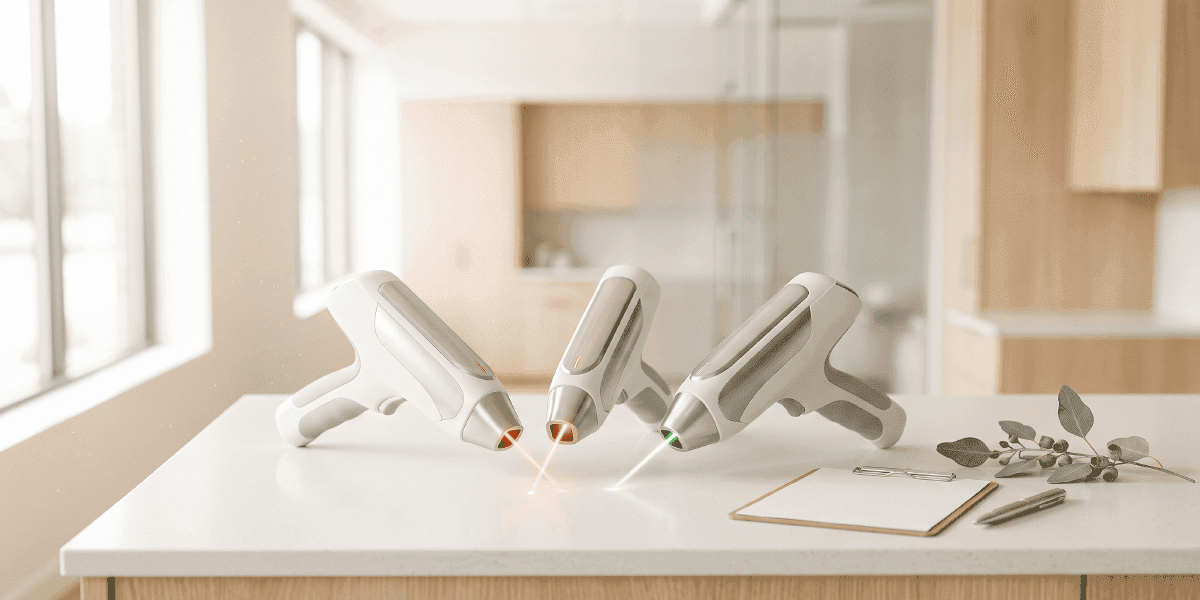
Match the device to your ink first: 1064nm for black, 755nm for green and teal, saline for white or flesh-tone pigment. Then vet the operator — ask what wavelengths their machine fires, demand healed photos at six months rather than fresh ones, and require a patch test before you commit. If they hand you a confident session count at consultation without asking about your smoking, skin type, or who did the tattoo, walk.
TattoosMapJul 26, 2026 · 0 Comments
Laser Tattoo Removal Blisters — Why They're a Good Sign, Not a Problem
Blisters are a normal inflammatory response to laser removal, usually appearing within 8 to 24 hours, and they signal the laser reached your ink rather than anything going wrong. Leave them intact, keep them clean and covered, and let them drain on their own — popping them is the single fastest route to a scar. Call your clinic only if you see spreading redness, pus, fever, or blisters lasting beyond two weeks.
TattoosMapJul 25, 2026 · 0 Comments
Tattoo Removal Cost Calculator — What Yours Will Actually Cost
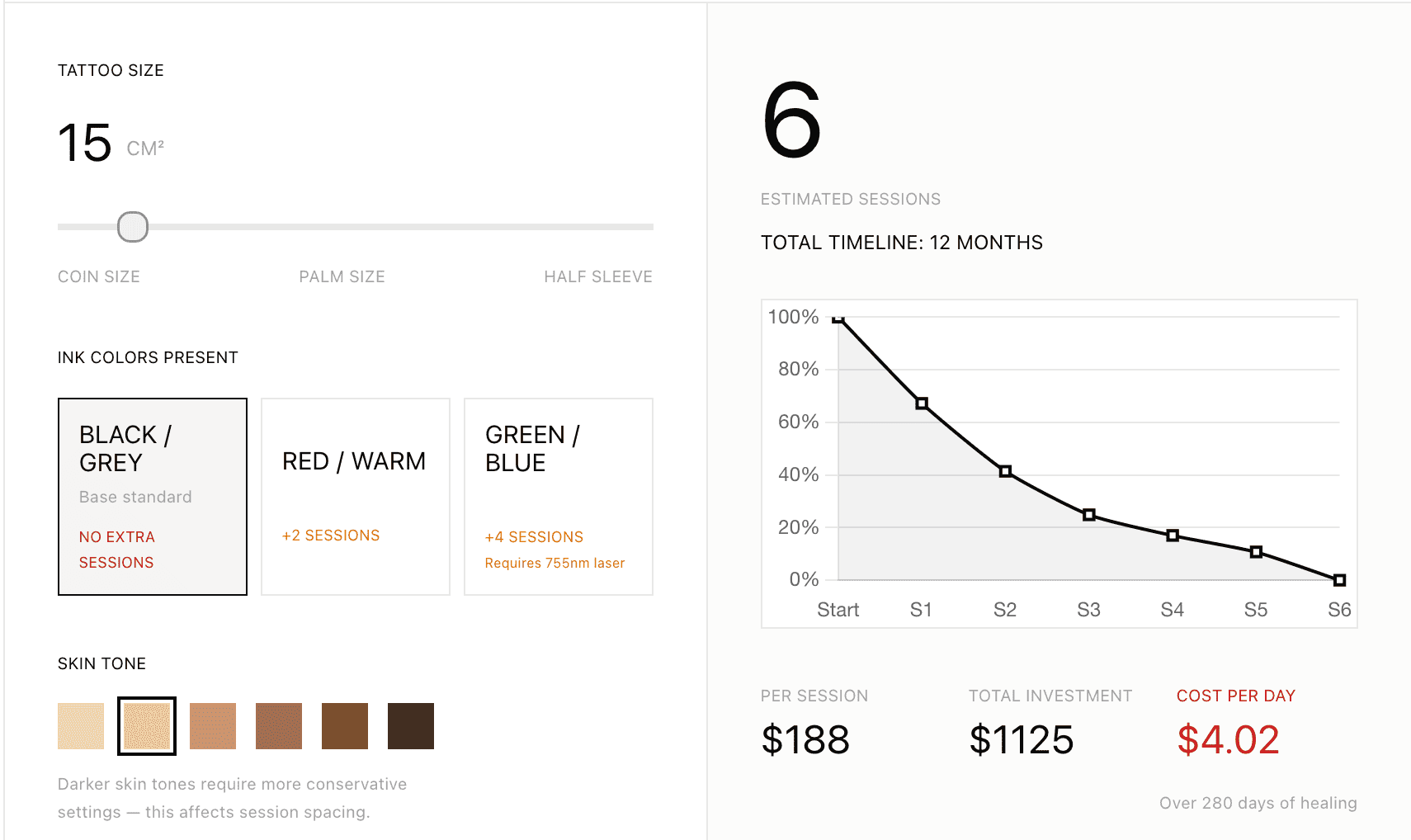
Most people spend $1,200 to $3,500 total, with small black tattoos at the low end and multicolor or cover-ups running $4,000 to $8,000+. Per-session price ranges $75 to $500 depending on size, device, and city, but session count drives the total far more than session price does. Use the calculator below for your number, then add 20% because your immune system gets the final vote.
TattoosMapJul 24, 2026 · 0 Comments
Numbing Cream for Tattoo Removal — What Actually Works
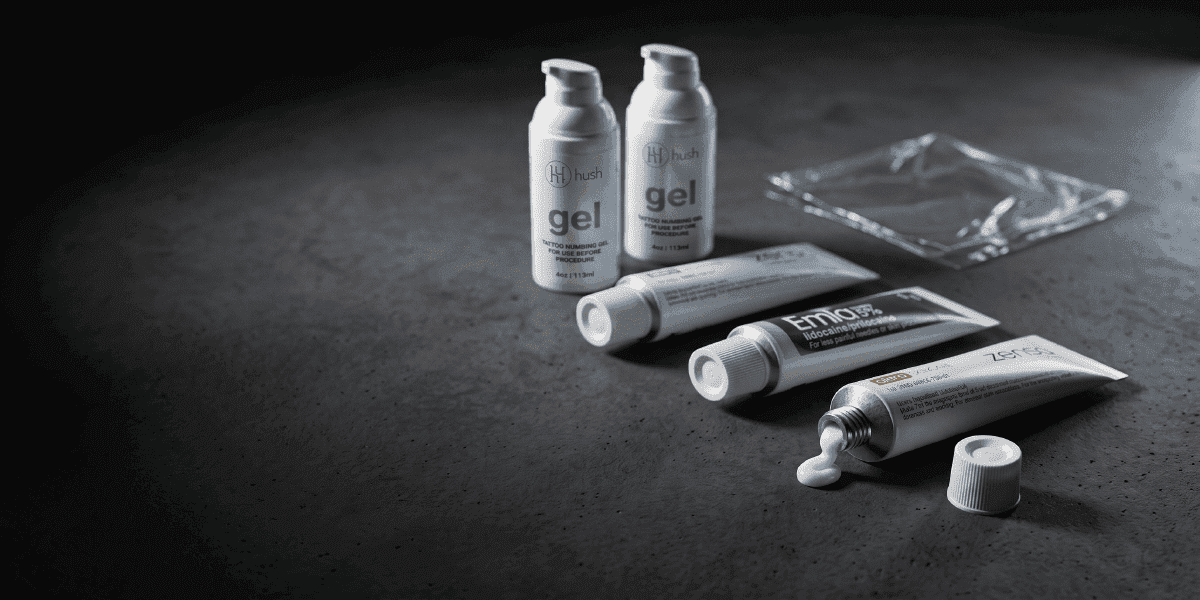
Zensa is the best all-around choice for most people getting tattooed, because it's 5% lidocaine without the vasoconstrictors that mess with ink deposit. If you're on a budget and can plan two hours ahead, EMLA does the same job for less. Hush Gel is the one you hand your artist mid-session when the pre-applied cream starts fading.
TattoosMapJul 23, 2026 · 0 Comments

Saline Tattoo Removal — What It Is and Does It Work
Use saline for microblading, permanent makeup, PMU lips, and anything with white or flesh-tone pigment in it — that's where it beats laser outright. Don't use it on a professional body tattoo unless laser has been ruled out, because you're looking at 6 to 10 sessions, a real scarring risk, and partial clearance at best. If you just want fading for a cover-up on a body piece, laser is faster, cheaper, and gentler.
TattoosMapJul 17, 2026 · 0 Comments

Best Tattoo Removal Laser — PicoWay vs PicoSure vs Q-Switch
PicoWay for most people — it's the safest generalist and the only picosecond option that's genuinely safe on Fitzpatrick IV–VI skin. PicoSure if your tattoo has green, teal, or light blue in it, because 755nm is the only wavelength that reliably clears those. Q-Switch if you're on a budget with a simple black tattoo, or you only need fading for a cover-up.
TattoosMapJul 17, 2026 · 0 Comments