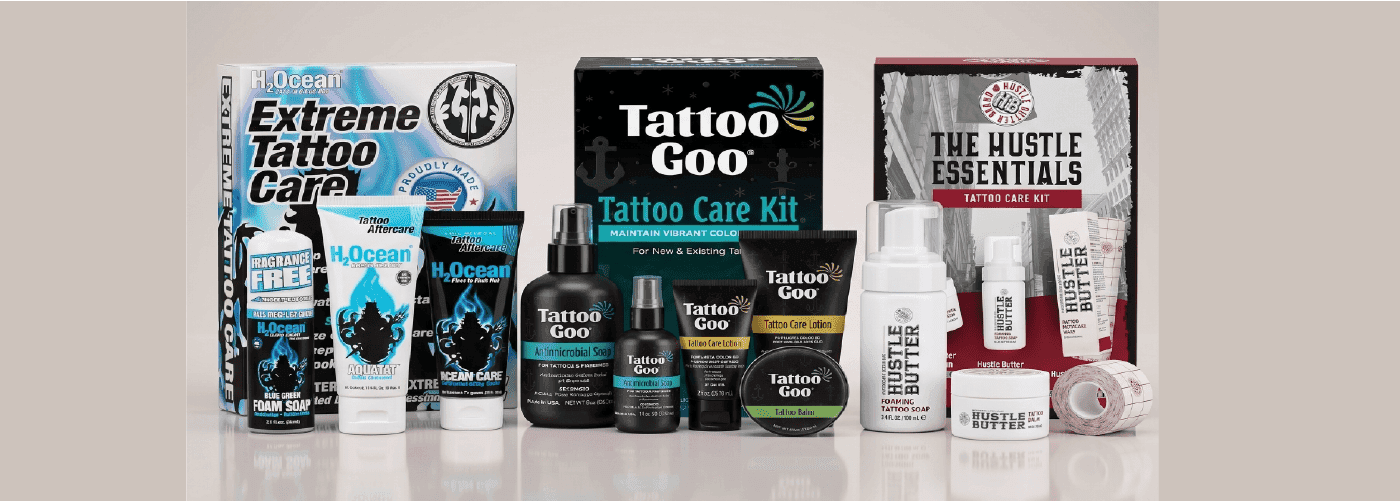
Almost everyone gets the soap wrong. They grab whatever antibacterial thing is under the bathroom sink, scrub a fresh tattoo with a washcloth, and wonder three weeks later why the linework looks blurry in places.
The Soap Is The Part That Actually Matters
Most people spend forty dollars on a fancy balm and then wash the tattoo with dish soap. That is backwards.
Your tattoo gets cleaned two or three times a day for two weeks straight. That is roughly thirty contacts with whatever cleanser you chose — on skin that is still an open wound. The balm matters too, but the soap is the one doing something aggressive to healing tissue thirty times in a row.
What A Good Tattoo Soap Has To Do
It has to pull off a specific trick. Kill surface bacteria, lift the plasma and lymph fluid crusting on the surface, and leave your skin's own moisture barrier completely alone.
Most antibacterial soaps manage the first two by stripping everything — which is exactly what you do not want. That squeaky-clean feeling after washing? That is your skin barrier gone.
"On a healed arm, stripped skin is a minor annoyance. On a three-day-old tattoo, that is how you end up with tight, dry, cracking skin pulling at your best linework."
Why Sequencing Matters More Than The Product
A fresh tattoo needs different things on day two than it does on day nine. People who assemble their own routine almost always end up with two products doing the same job and nothing at all for the peeling stage.
The right cleanser used at the wrong time causes the same problems as the wrong cleanser. Sequence matters as much as product choice.
The Part Nobody Warns You About
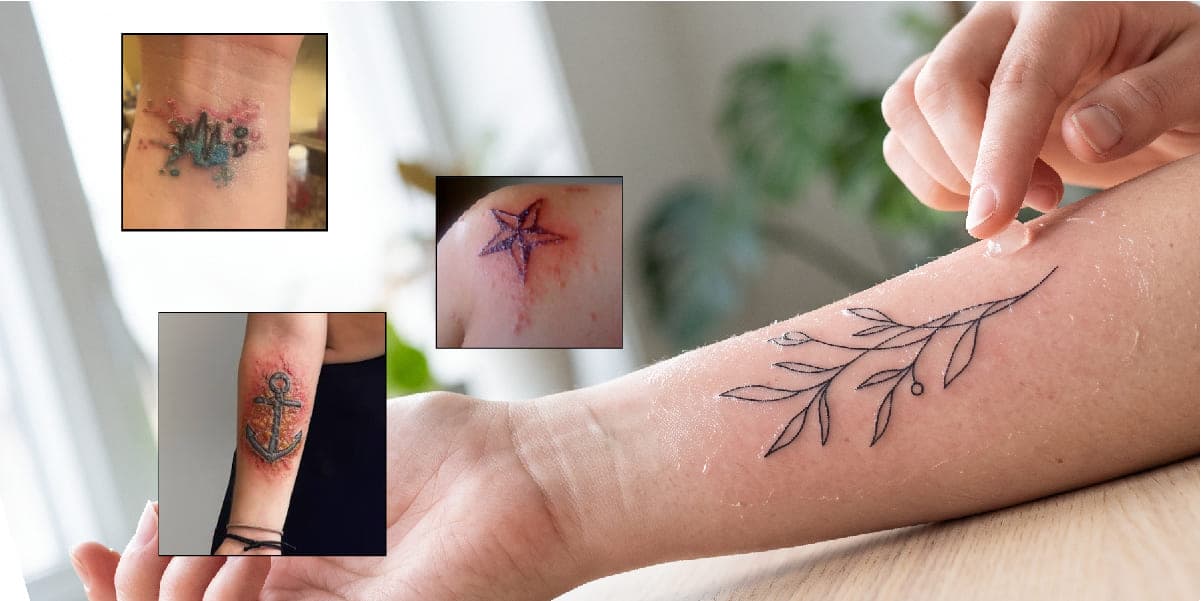
Around day five or six the itching starts. It is genuinely maddening and this is the exact point where most tattoos get damaged.
Not by infection. By fingernails.
The soap step is the moment you are most tempted to scratch. Think of it like washing a fresh scrape on a child's knee. You want it clean. You do not want it scrubbed raw and stinging. Same principle — except this scrape is a picture you paid four hundred dollars for.
Ask Your Artist What They Use
Not what they sell. What they actually use on their own skin.
Most will tell you straight, and it is the most useful five seconds of aftercare advice you will get. They have healed hundreds of pieces. You have healed a few. That gap in experience is worth a five-second question.
The Ranked List
DISCLOSURE: This post contains affiliate links. If you purchase through our links we may earn a small commission at no extra cost to you.
H2OCEAN EXTREME TATTOO AFTERCARE KIT
BEST OVERALL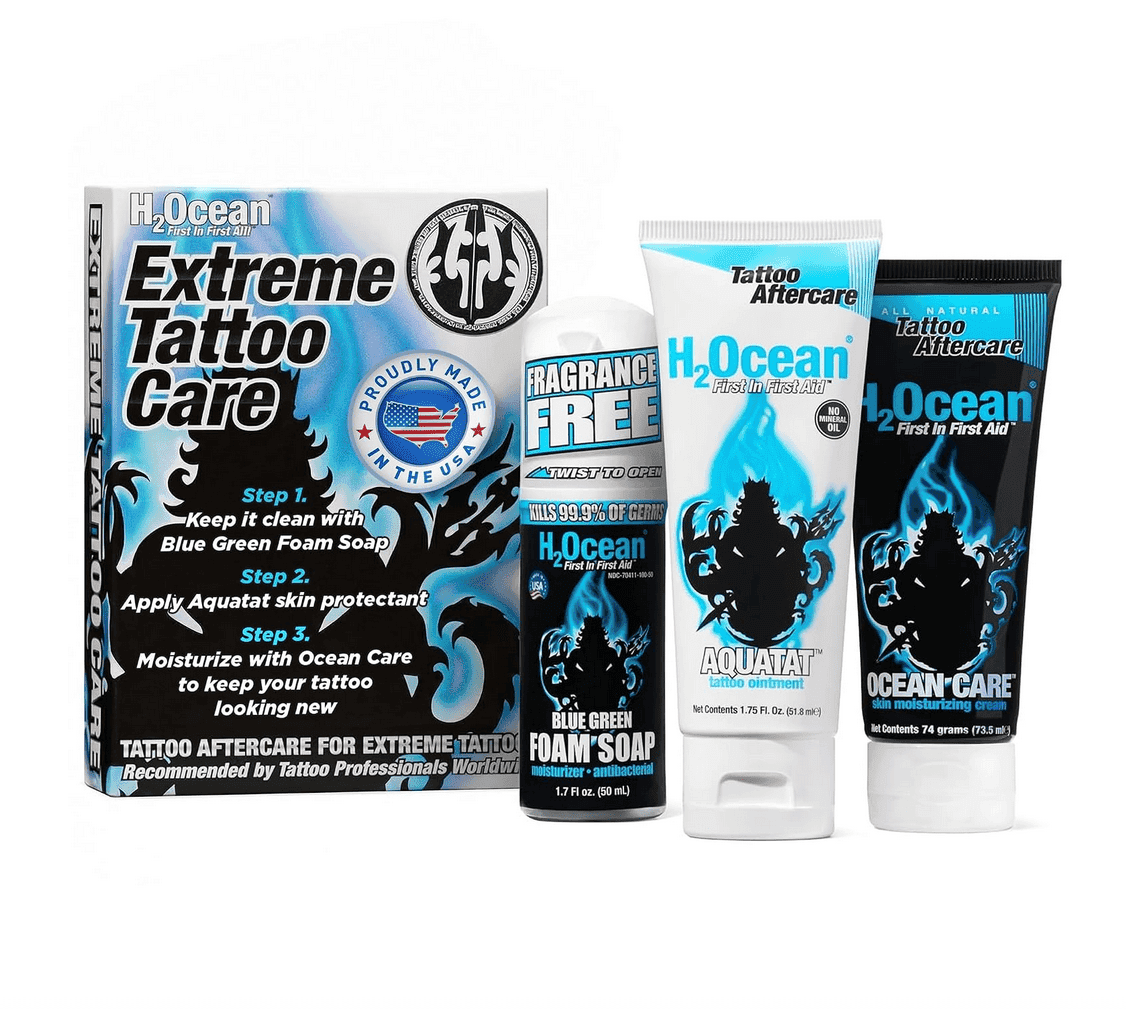
The Blue Green foam soap comes out of the pump already lathered, which sounds like a gimmick until you realise you're not rubbing your hands over a raw tattoo to work up a lather. It rinses clean and leaves the skin feeling soft rather than tight — no squeak. The Aquatat ointment is thinner than petroleum jelly and doesn't leave that plastic-wrap sheen, and the sea salt content genuinely seems to help the areas that usually go sideways.
The ointment runs out way before the soap does, so you'll end up buying that one piece again on its own.
HOW HARSH SURFACTANTS STRIP THE HEALING BARRIER
Most cheap antibacterial soaps use sodium lauryl sulfate or a similar aggressive surfactant to generate lather. Surfactants work by grabbing oil at one end and water at the other, so they lift grease off a surface and rinse it away. That's great on a frying pan. On healing skin, they don't distinguish between the plasma crust you want gone and the lipids in your skin barrier that you need to keep. Both come off. What's left is skin that can't hold water, and dehydrated healing skin scabs thicker. Thicker scabbing is the actual problem, because a dry scab bonds to the pigment sitting near the surface of the dermis. When it flakes, it takes ink with it. This is why the better tattoo soaps use gentler antimicrobials — chloroxylenol at low concentration, or mineral-based blends — in a mild, pH-balanced base. Chloroxylenol disrupts bacterial cell membranes without needing a harsh detergent to carry it. And it's why panthenol shows up in the lotions in these kits: it converts to pantothenic acid in the skin and supports the barrier repair that keeps the scab thin and flexible.
"You'll wash a healing tattoo around thirty times in two weeks — that's thirty chances for the wrong soap to strip the barrier that keeps your scabs thin."
Already have your design? Each design in our library includes the recommended aftercare protocol for its specific style and placement. Browse verified designs →
Exactly What To Do, Day by Day
WASH WITH FINGERTIPS, NOTHING ELSE
Lather the soap in clean hands and wash the tattoo two or three times a day. No washcloth, no loofah, no sponge — your fingers are the only thing soft enough.
RINSE WITH LUKEWARM WATER
Hot water opens the skin and encourages weeping, cold water doesn't rinse the soap properly. Lukewarm, and get every trace of soap off.
PAT DRY WITH A PAPER TOWEL
Press, don't wipe. Skip the bathroom hand towel entirely — it's the least clean thing in the room.
GO THIN WITH THE OINTMENT, AND ONLY EARLY ON
Use the ointment for the first three or four days while the tattoo is still weeping, and use less than you think. If it looks shiny, wipe some off.
SWITCH TO LOTION WHEN IT STARTS PEELING
Once the flaking begins, drop the ointment and move to the lighter cream. And leave the flakes alone — every one you pick takes ink with it.
What To Never Use
Sodium lauryl sulfate soaps
the surfactant strips your skin's own lipids along with the crust, and dry healing skin scabs thicker.
Scented or "moisturizing" body washes
the fragrance and added oils irritate open skin and leave a film that traps bacteria under the scab.
Bar soap of any kind
bars sit wet in a dish and grow bacteria on the surface you're about to press against an open wound.
Triple-antibiotic first aid ointments
the neomycin in them causes allergic contact dermatitis in a meaningful number of people, and you don't want to find out over fresh linework.