DISCLOSURE: This post contains affiliate links. If you purchase through our links we may earn a small commission at no extra cost to you.
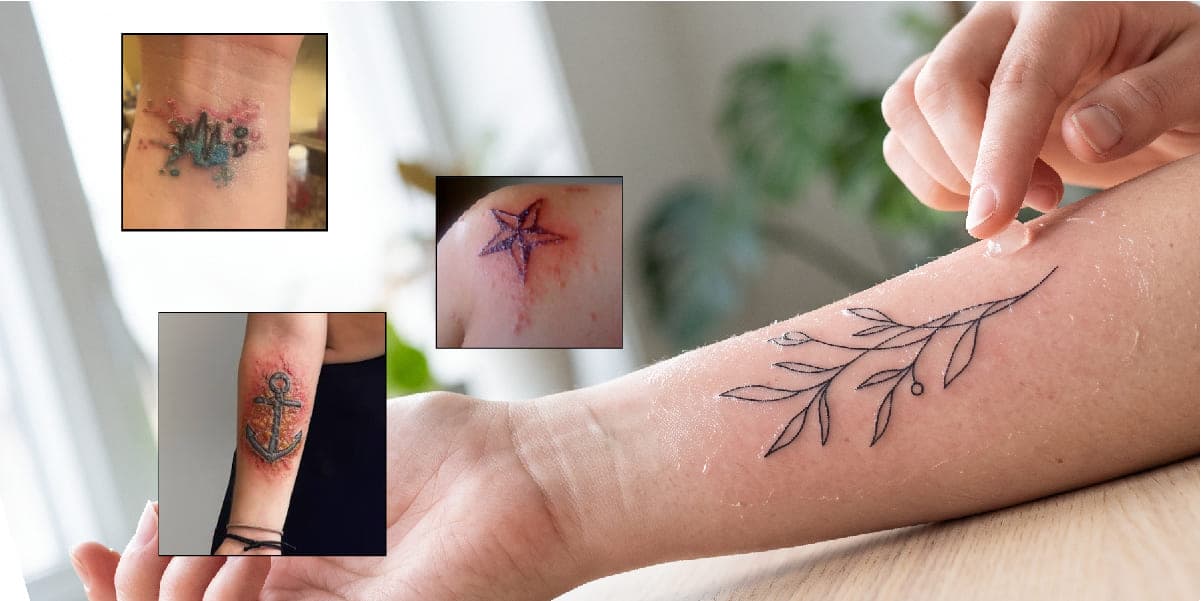
Your tattoo is red, sore, and swollen — but a new tattoo is supposed to be red, sore, and swollen, so how do you know if it's healing or infected? That's the whole question, and getting the answer right early matters more than almost anything else in aftercare. A caught-early infection is a minor problem. A missed one isn't. Normal Healing vs Infection — The Core Distinction The single most useful thing to understand is the difference between what a healing tattoo normally does and what an infected one does. They start out looking similar and then diverge. Normal healing (expected, no cause for concern):
- Redness, mild swelling, and warmth in the first 2 to 3 days
- Soreness like a bruise or sunburn, easing steadily
- Some clear or lightly-tinted oozing in the first day or two
- Itching and flaking or peeling as it heals
- Steady day-by-day improvement — the key signal Infection (needs medical attention):
- Pain that increases after the first few days instead of easing
- Redness that spreads outward, especially in streaks or lines
- Swelling that worsens rather than settling
- Pus — thick, yellow, green, or foul-smelling discharge
- Heat — the area hot to the touch
- Fever, chills, or feeling unwell
- The tattoo hardening or feeling increasingly tender days in The direction of travel is the tell. Normal healing gets better each day; infection gets worse. If you're on day five and it's more painful, redder, and more swollen than day two, that trajectory is the warning. HONEST LIMITATION: The overlap in the first couple of days is genuine, and it's honest to admit you sometimes can't be certain immediately. Early on, a normally-healing tattoo and an early infection can look similar — both red, both swollen, both sore. What separates them is the pattern over time, which means occasionally the only way to know is to watch closely for a day or two. The practical rule: if it's improving each day, it's likely fine; if it's worsening, plateauing badly, or developing pus or fever, don't wait it out. When genuinely unsure, a doctor or your tattoo artist can look sooner rather than later — early is always better with infection. The Warning Signs in Detail Some signs deserve a closer look, because their specifics guide how urgently to act. Pus and discharge. A little clear or slightly cloudy fluid early on is normal. Thick, opaque, yellow, green, or bad-smelling discharge is not — that's a hallmark of infection and a clear reason to see a doctor. Spreading redness, especially streaks. Redness right at the tattoo is expected early. Redness that expands outward over days, and particularly red streaks radiating away from the tattoo, is a serious sign — streaking can indicate the infection spreading through the lymphatic system, which needs urgent care. Fever and feeling unwell. A tattoo infection that causes fever, chills, or a general sick feeling has gone beyond a local skin issue and needs prompt medical attention. This is not a wait-and-see sign. Increasing pain. Tattoos hurt less each day as they heal. Pain that ramps up instead is one of the most reliable early infection signals. Blisters, sores, or open areas that weren't there initially, especially with discharge, warrant a check. HONEST LIMITATION: Red streaks radiating from the tattoo and fever are the two signs where "see a doctor soon" becomes "seek care now," and it's important not to soften that. Streaking can indicate the infection is entering the lymphatic system and potentially heading toward the bloodstream, and fever means your body is fighting something systemic — both can progress to serious, even life-threatening conditions like sepsis if ignored. These are rare, and most tattoo infections are minor and local, but the whole point of knowing the signs is recognising the small number that are genuinely urgent. If you have red streaks or fever with a tattoo, that's an emergency-care situation, not a next-week appointment. Infection vs Allergy — They're Not the Same People confuse these because both cause redness and swelling, but they're different problems with different fixes, and telling them apart guides your response. Infection tends toward:
WHY A FRESH TATTOO IS VULNERABLE TO INFECTION
A tattoo is created by puncturing the skin thousands of times to deposit ink into the dermis, and in doing so it breaches the body's single most important defence against infection: the intact skin barrier. Healthy, unbroken skin is a remarkably effective wall that keeps the enormous population of bacteria living on its surface from reaching the vulnerable tissue underneath. A fresh tattoo temporarily dismantles that wall across its entire area, leaving thousands of microscopic open channels into living tissue for the days or weeks it takes the epidermis to close and re-form the barrier. During that window, any bacteria introduced to the area — from unsterile equipment, contaminated water, dirty hands, or a pulled-off scab — can enter those channels and establish an infection in tissue that's already inflamed from the trauma of tattooing. This is why hygiene during and after the tattoo is the decisive factor: the wound is genuinely open, and infection is fundamentally a question of whether harmful bacteria reach it before it closes. Once bacteria take hold, the signs of infection are your immune system's response made visible. Increasing pain, heat, redness, and swelling are the classic signs of inflammation as the body floods the area with immune cells and blood to fight the invaders, and pus is the accumulation of dead white blood cells, bacteria, and tissue debris from that battle — which is why thick, coloured, foul discharge signals infection while the thin clear fluid of early healing does not. The reason red streaks and fever are such serious signs comes down to how infection spreads: streaks radiating from the tattoo often trace the lymphatic vessels, indicating the infection is moving out of the local tissue into the lymphatic system, and fever means the body is mounting a systemic, whole-body response because the threat is no longer contained to the skin. Left unchecked, an infection that reaches the bloodstream can lead to sepsis, a life-threatening emergency. This progression — local, then lymphatic, then systemic — is exactly why catching infection early matters so much: treated while local, it's a simple course of antibiotics, but each stage it advances makes it harder to control.
"Normal healing gets better every day; infection gets worse — if day five is redder and more painful than day two, that trajectory is the warning."
Already have your design? Each design in our library includes the recommended aftercare protocol for its specific style and placement. Browse verified designs →
Exactly What To Do, Day by Day
JUDGE THE TRAJECTORY OVER THE FIRST DAYS
Normal healing improves steadily day by day, while infection worsens. If pain, redness, and swelling are increasing rather than easing after the first 2 to 3 days, treat that as a warning sign.
CHECK FOR THE SPECIFIC INFECTION SIGNS
Look for thick coloured or foul-smelling pus, spreading redness, heat, and increasing pain — these distinguish infection from the clear fluid, steady improvement, and easing soreness of normal healing.
CONTACT YOUR ARTIST OR A DOCTOR EARLY IF WORSENING
Reputable artists want to know and can advise whether it looks normal, but anything worsening or showing clear infection signs needs a doctor, since a skin infection needs antibiotics and won't clear on its own.
TREAT RED STREAKS OR FEVER AS AN EMERGENCY
Red streaks spreading from the tattoo, fever, chills, or feeling seriously unwell mean the infection may be spreading beyond the skin. Seek urgent care immediately rather than waiting for an appointment.
DON'T SELF-TREAT AN ESTABLISHED INFECTION
Extra cleaning, ointments, or leftover antibiotics delay proper treatment and let it worsen. Once infection has taken hold, it's a medical issue needing professional assessment and likely a prescription.
What To Never Use
Waiting out a worsening tattoo
a real infection needs antibiotics and won't resolve on its own, so a tattoo getting more painful, red, or swollen after the first few days needs a doctor, not more time.
Ignoring red streaks or fever
these signal the infection may be spreading beyond the skin toward the lymphatic system or bloodstream, which is an emergency, not a wait-and-see situation.
Self-treating with leftover antibiotics or aggressive home remedies
this delays proper assessment, can worsen the infection, and misuses antibiotics, when what's needed is a doctor's diagnosis.
Picking, squeezing, or over-handling an infected or healing tattoo
it worsens and spreads infection and introduces new bacteria through broken skin, when clean hands and minimal handling are what's needed.