Loading
EXPLORE THE ARCHIVE
All Guides & Insights — Page 2
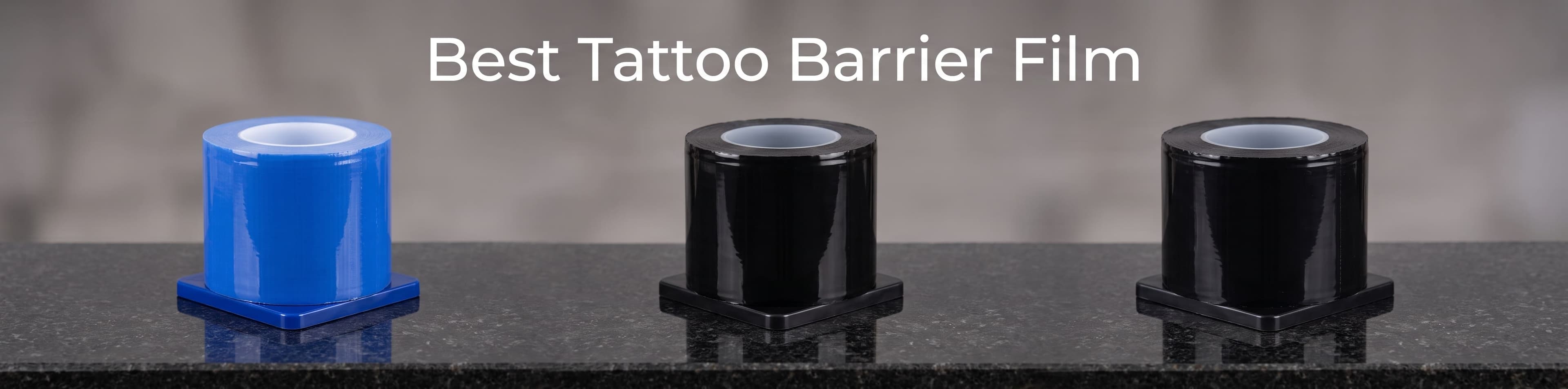
Best Tattoo Barrier Film
Barrier film is the most boring supply in the studio and the one that gets you shut down fastest if you skip it. All three rolls here are 1200 sheets of 4x6 perforated film with adhesive backing, and the differences are thickness, residue, and whether it actually stays put through a six-hour session. This ranks them by what matters when a health inspector walks in.

TattoosMapSep 23, 2026 · 0 Comments

Tattoo Consultation — What to Expect and How to Prepare
A consultation is the planning conversation before any needle touches skin — design, sizing, placement, pricing, and whether this artist is right for you. Used well, it's one of the biggest things separating a tattoo you love from one you settle for. This covers exactly what happens at one, how to prepare, what to ask, and what happens between the consultation and the session.
TattoosMapSep 18, 2026 · 0 Comments

Walk-In Tattoo Shops — When It Works and When to Book Ahead
Walking into a shop and getting tattooed the same day is perfectly legitimate — for the right kind of tattoo. It works beautifully for small, simple, flash-style pieces and falls apart for anything large, custom, or detailed. This covers when a walk-in is the smart choice, when booking ahead is worth the wait, and how to walk in without ending up with a rushed tattoo you regret.
TattoosMapSep 17, 2026 · 0 Comments
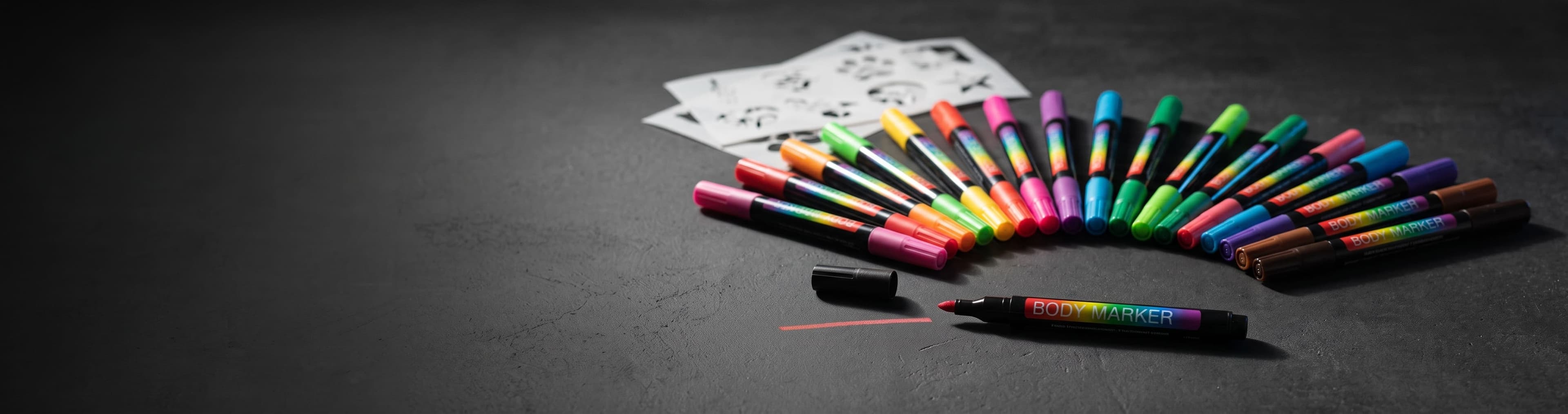
Best Temporary Tattoo Markers That Don't Smudge
Temporary tattoo markers all promise vibrant colour that stays put and washes off easily, which is a contradiction most of them can't actually pull off. The difference between a good one and a bad one is the ink formula — cosmetic-grade pigment that dries fast and sits on the skin without bleeding into pores. This ranks three by how they actually perform on skin after an hour of wear.
TattoosMapSep 16, 2026 · 0 Comments
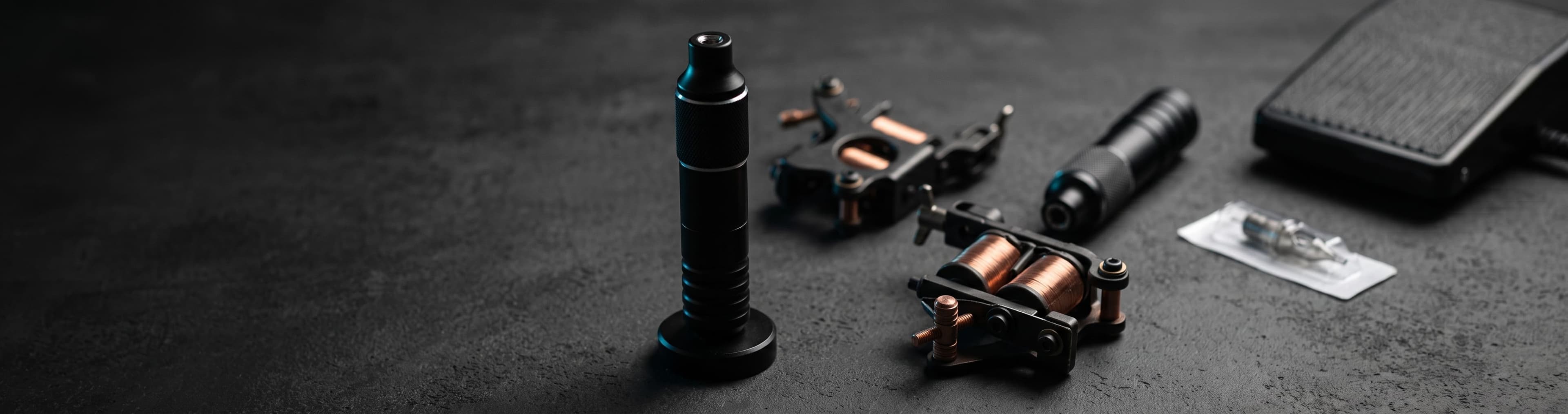
Best Tattoo Machine Kit for Beginners — Coil vs Rotary Ranked
The first machine kit you buy will either teach you how a tattoo machine works or teach you how to be frustrated. Coil kits are cheaper, louder, and force you to learn tuning. Rotary kits are simpler, quieter, and let you focus on hand control from day one. This ranks one rotary and two coil kits by what they actually teach a beginner.
TattoosMapSep 15, 2026 · 0 Comments
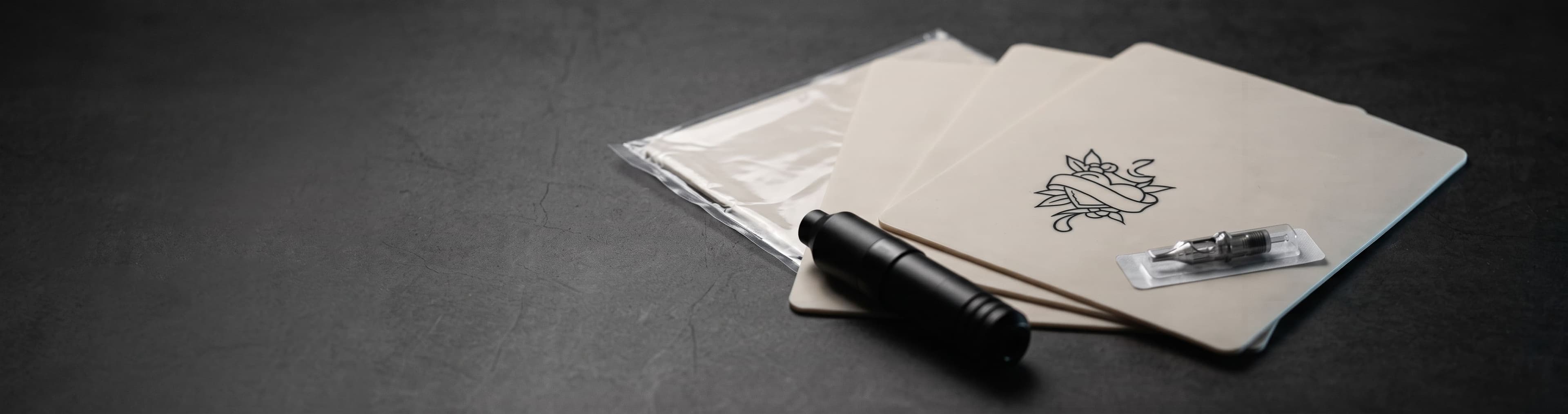
Best Tattoo Practice Skin — Ranked by How They Take Ink
Practice skin all looks the same in the package and feels completely different under the needle, which is why most beginners burn through sheets they hate before finding one that actually teaches them something. Thickness, material, and how the surface accepts ink are the only things that matter. This ranks three by how closely they simulate the real thing.
TattoosMapSep 14, 2026 · 0 Comments

Best Tattoo Ink Brands — 6 Ranked by How They Heal
Brand matters more than any single bottle, because what you're really buying is batch consistency — whether the black you order next year matches the black on your station today. These six cover the whole market, from artist-run American manufacturers to budget imports that are honest about being budget imports. Ranked by what holds up in healed skin, not what looks good in the cap.
TattoosMapSep 10, 2026 · 0 Comments
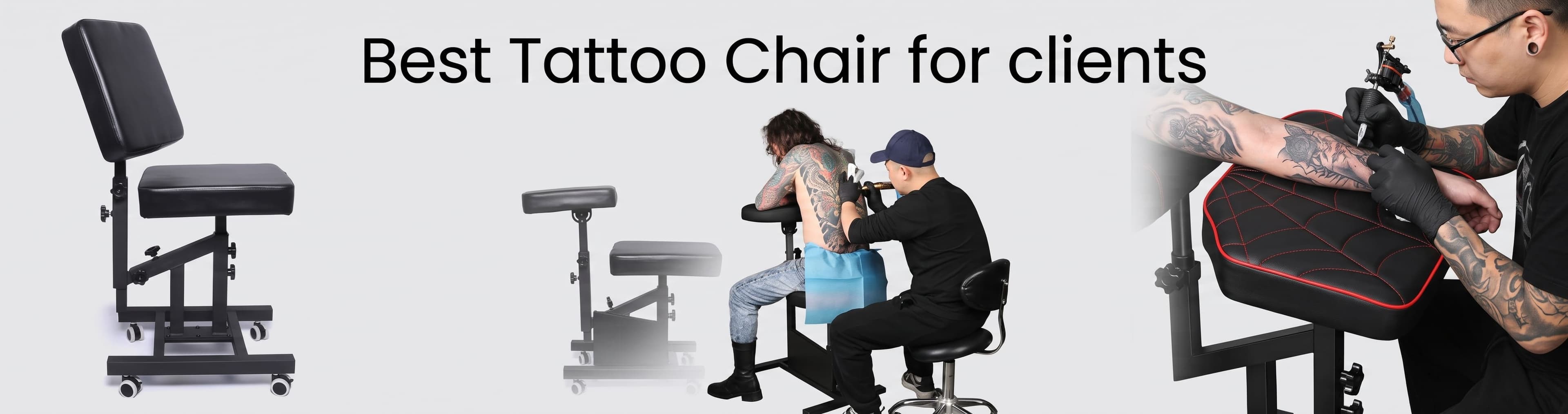
Best Tattoo Chair That Keep Clients Still
The chair is the piece of studio furniture artists buy last and regret first, because an unsupported client moves and a moving client wrecks your linework. All three of these adjust for both the artist and the client, and the real differences are weight capacity, footprint, and how far the backrest travels. This ranks them by what actually holds a body still for four hours.
TattoosMapSep 9, 2026 · 0 Comments
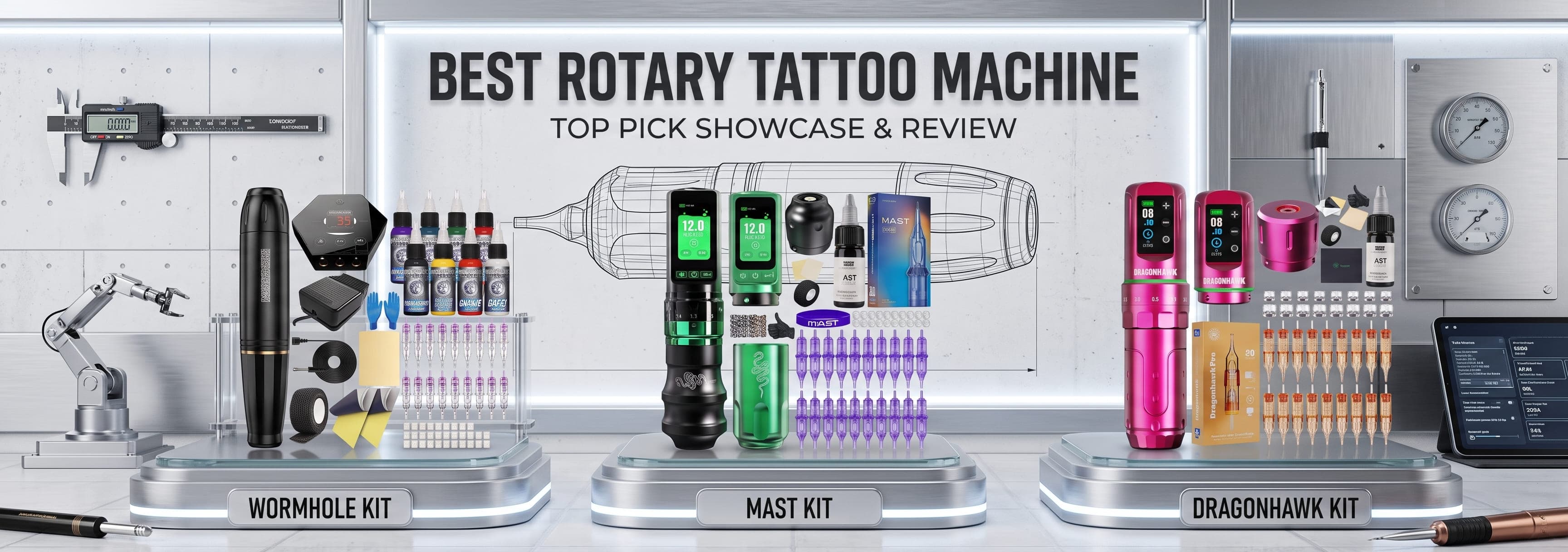
Best Rotary Tattoo Machine That Won't Wreck Your Wrist
Rotary machines all list the same specs — adjustable stroke, direct drive, big battery numbers — and none of that tells you how the thing feels in your hand at hour four. Weight, balance, and stroke range decide whether you finish a full-day session comfortably or with a dead wrist. These three cover the real price tiers, from a machine you'll keep for years to a corded kit for learning on practice skin.
TattoosMapSep 8, 2026 · 0 Comments