Tattoo Allergy — How to Spot One and What to Do About It
Itching, bumps, or rash on one colour — often red — can signal an ink allergy. How to tell it from healing or infection, and exactly what to do at each level.
By TattoosMap Editorial — August 2026
The Short Answer
A tattoo allergy typically shows as persistent itching, raised or bumpy skin, a rash, or swelling localised to specific colours of the tattoo — most commonly red ink — and it can appear immediately or years later. Mild reactions often settle with antihistamines and topical steroids under a doctor's guidance, while widespread rash, blistering, breathing difficulty, or facial swelling is a medical emergency needing urgent care. See a doctor for anything beyond mild, brief irritation, because a true ink allergy usually won't resolve on its own and sometimes requires removing the ink.
DISCLOSURE: This post contains affiliate links. If you purchase through our links we may earn a small commission at no extra cost to you.
Your new tattoo is red, itchy, and raised, and you're not sure if that's normal healing or something wrong. Or an old tattoo you've had for years has suddenly started bumping up and itching for no reason. Both can be an allergy — your immune system objecting to the ink — and knowing how to read it is the difference between waiting it out calmly and getting help you actually need.
What a Tattoo Allergy Actually Is
A tattoo allergy is an immune reaction to something in the tattoo ink — most often a pigment or one of the compounds used to make it.
Your body identifies part of the ink as foreign and mounts a response, which shows up in the skin around and within the tattoo.
The Timing Varies Enormously
This is one of the most confusing parts, because a reaction can show up at wildly different points:
Immediate — during or shortly after getting the tattoo
Delayed by days or weeks — appearing as the tattoo heals or just after
Years later — an old, settled tattoo suddenly reacting, sometimes triggered by illness, sun, or other changes
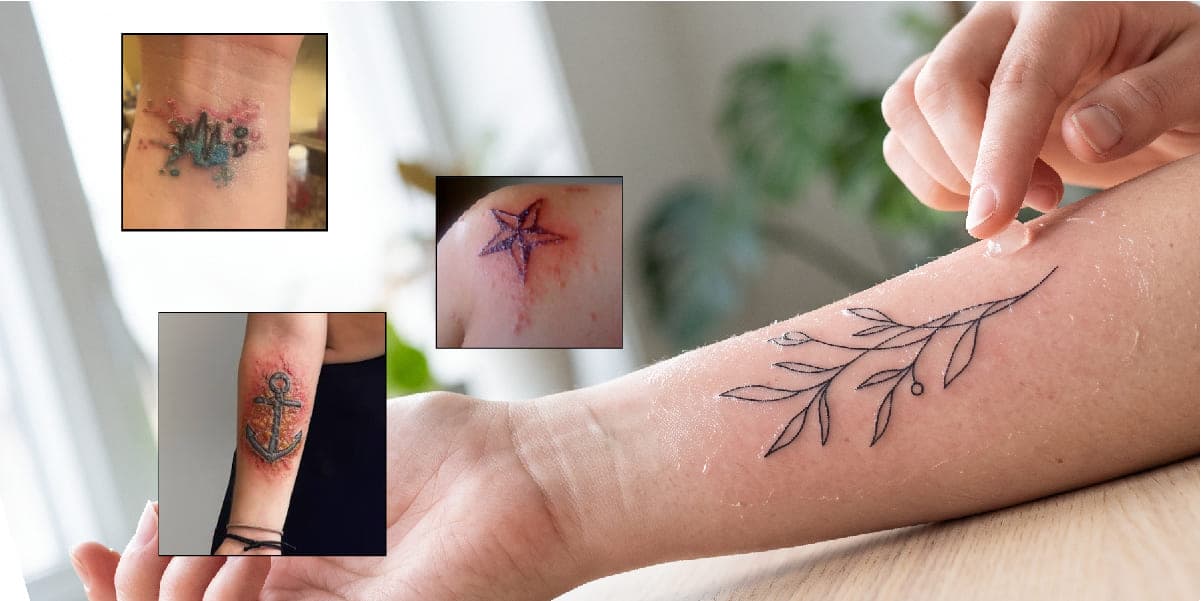
And it's often colour-specific. A classic sign is a reaction confined to one colour — the red areas raised and itchy while the black sits fine — because the allergy is to that specific pigment.
"Someone can have several tattoos with no problem and then react to a new colour, or react years into an existing tattoo."
HONEST LIMITATION
You usually can't know in advance whether you'll react, and it's honest to say tattoo allergies are somewhat unpredictable.
Patch testing ink isn't standard practice and isn't fully reliable anyway, because a reaction can develop after repeated or prolonged exposure rather than on first contact.
This unpredictability isn't a reason for alarm — true allergies are relatively uncommon. But it's why knowing the signs matters more than trying to prevent every possibility, since prevention isn't fully within your control.
The Signs: What an Allergy Looks Like
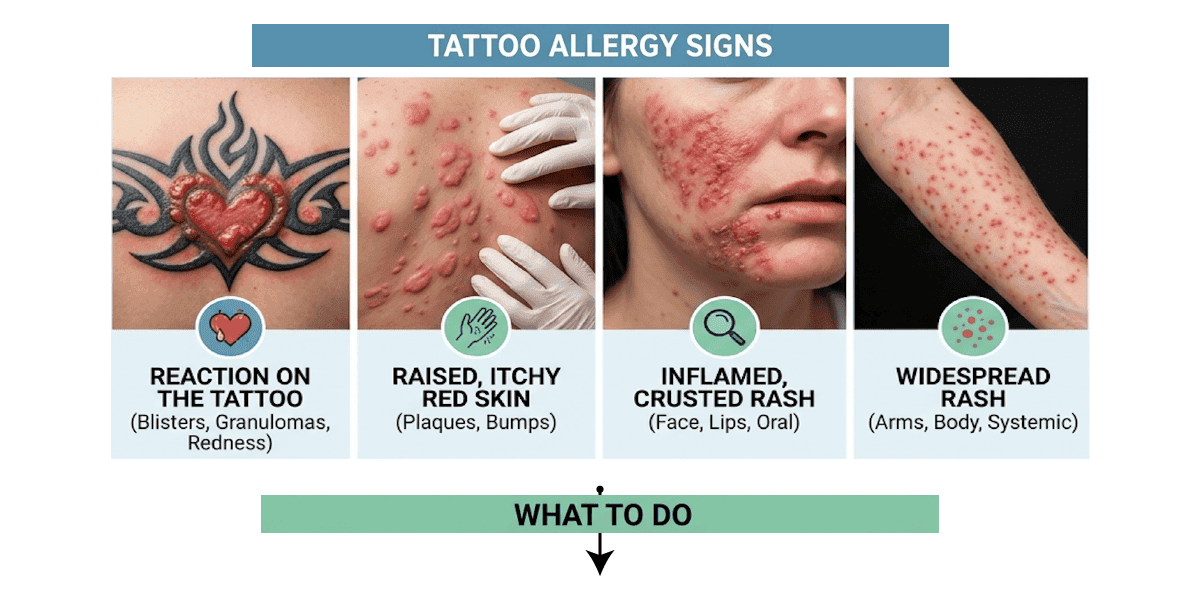
The common signs of a tattoo allergy are localised to the tattoo or to specific colours within it:
WHY RED INK CAUSES THE MOST REACTIONS
Tattoo allergies are classified as delayed-type hypersensitivity reactions — what immunologists call Type IV reactions. Unlike immediate allergic responses driven by IgE antibodies (which produce reactions within minutes), Type IV reactions are mediated by T-lymphocytes and can take days, weeks, months, or even years to manifest after the initial exposure. This is why someone can tolerate a colour for multiple tattoos and then develop a reaction years later — sensitisation can build gradually with repeated antigen exposure.
The most reactive pigments historically have been red inks containing cinnabar (mercuric sulfide) and azo-based red pigments. Cinnabar is now largely absent from professional inks due to mercury regulations, but azo compounds remain common. These can undergo photodegradation under UV light, producing breakdown products that the immune system identifies as foreign antigens even when the original compound was tolerated.
Yellow pigments containing cadmium sulfide and blue-green pigments with cobalt or nickel compounds are the next most reactive categories. These metals — cobalt, nickel, chromium — are documented contact allergens in dermatological literature independent of tattoo context. Their presence in ink creates cross-reactivity risk in people already sensitised to these metals through jewellery, dental work, or occupational exposure.
The permanent nature of the allergen is what makes tattoo allergy different from most allergic conditions. The ink sits in the dermis indefinitely. As long as the antigen is present, the immune response can be triggered — meaning treatment with corticosteroids manages the reaction without resolving it. Resolution in persistent cases often requires either laser fragmentation of the reactive pigment or surgical excision of the affected area.
SHARE THIS
"A reaction confined to just the red areas while the black sits fine is the clearest sign it's a pigment allergy, not infection or bad healing."
FROM TATTOOSMAP
Already have your design? Each design in our library includes the recommended aftercare protocol for its specific style and placement. Browse verified designs →
Exactly What To Do, Day by Day
01
DISTINGUISH THE REACTION FROM NORMAL HEALING FIRST
Normal healing improves steadily and resolves within 2 to 4 weeks, affecting the whole tattoo. Persistent or worsening itching, bumps, or rash — especially confined to one colour — points to an allergy rather than healing.
02
RULE OUT INFECTION BY ITS OWN SIGNS
Increasing pain, spreading redness in streaks, pus, or fever signals infection, not allergy, and needs prompt medical care. Getting this distinction right matters because the treatments differ.
03
MANAGE A MILD REACTION GENTLY AND WATCH IT
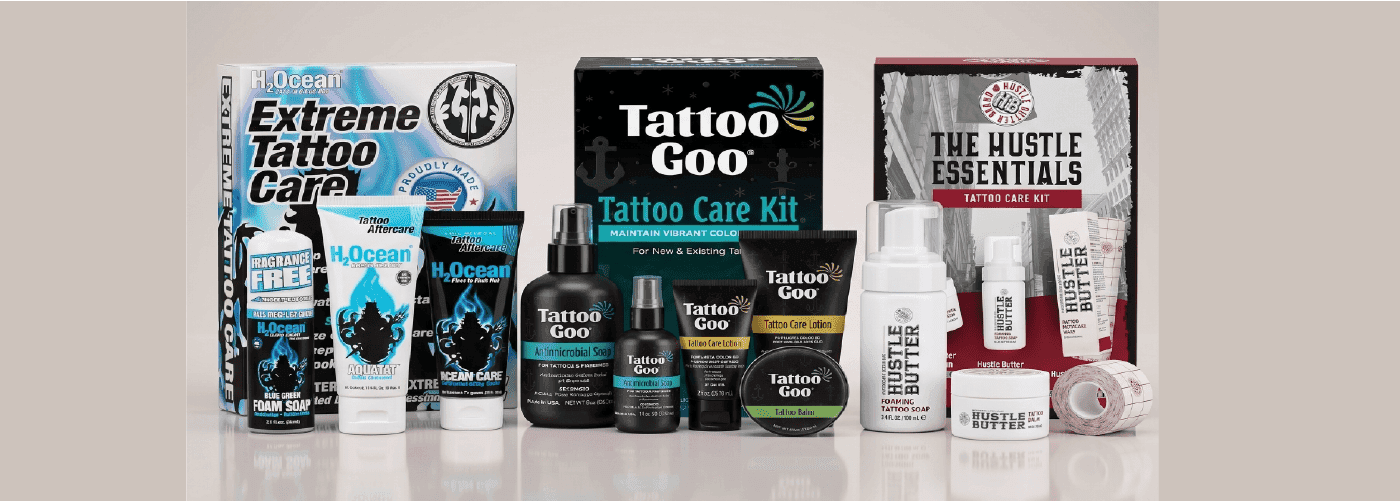
Don't scratch, keep it clean and moisturised with a fragrance-free product, and consider an antihistamine after checking with a pharmacist. See a doctor if it doesn't improve within a few days.
04
SEE A DOCTOR FOR ANYTHING BEYOND MILD AND IMPROVING
A persistent, spreading, or blistering reaction usually needs prescribed treatment like topical or oral steroids, since a true ink allergy often won't resolve on its own. A dermatologist can also confirm allergy versus infection.
05
TREAT SEVERE SYSTEMIC SIGNS AS AN EMERGENCY
Difficulty breathing or swallowing, facial or throat swelling, widespread hives, or dizziness means seek emergency care immediately, as these can indicate a severe systemic allergic reaction.
What To Never Use
Scratching a reacting tattoo
it worsens the irritation and breaks the skin, adding an infection risk on top of the allergy.
Waiting out anything beyond mild, improving irritation
a true ink allergy usually won't resolve on its own and often needs prescribed treatment, so persistent or worsening reactions need a doctor.
Self-treating aggressively with harsh products
strong or fragranced products on reacting skin make the inflammation worse, so keep it gentle and let a doctor guide medication.
Getting a "black henna" temporary tattoo
the PPD used to darken it is a frequent cause of severe skin allergy and permanent scarring, and reacting can leave you PPD-sensitised for life.
Frequently Asked Questions
Persistent itching, raised or bumpy skin, a rash, swelling, or small blisters localised to the tattoo — often confined to one colour, most commonly red. Unlike normal healing, which improves within 2 to 4 weeks, an allergy persists, worsens, or appears long after the tattoo has healed, sometimes years later.
Normal healing steadily improves and resolves within 2 to 4 weeks, affecting the whole tattoo uniformly with expected redness, itching, and flaking. An allergy persists or worsens past that timeline, is often confined to specific colours like red, and may involve raised, scaly, or blistering skin. If it's not following the normal improving course, treat it as a possible allergy and see a doctor.
Yes. Tattoo allergies can appear immediately, during healing, or years after the tattoo has settled, because the pigment stays permanently in the skin and the immune system can react at any point. A later reaction is sometimes triggered by illness, sun exposure, or a change in immune status, and often shows as one colour suddenly becoming raised and itchy.
Red ink is the most common culprit, along with the orange and warm colours related to it. Older red inks contained allergenic mercury sulphide, and the modern replacement pigments remain among the most reactive. Black ink reactions are comparatively rare, which is why a reaction confined to red areas strongly suggests a pigment allergy.
For mild reactions, avoid scratching, keep it clean and moisturised, and consider an antihistamine, seeing a doctor if it doesn't improve in a few days. For persistent, spreading, or blistering reactions, see a doctor or dermatologist for prescribed treatment. Seek emergency care immediately for breathing difficulty, facial or throat swelling, or widespread hives.
Discussion (0)
Verified Accounts
No public comments yet.
Find Your Artist
Ready To Book?
Browse verified tattoo artists on TattoosMap — filtered by style, city, and specialty.
Persistent itching that doesn't settle as normal healing should
Raised, bumpy, or thickened skin over parts of the tattoo, sometimes just one colour
A rash — red, inflamed, sometimes scaly or flaky
Swelling of the tattooed area beyond the first day or two
Small blisters or fluid-filled bumps in the tattoo
Flaking, scaling, or a crusty texture that persists
Lingering redness that returns rather than fading
A reaction confined to one colour — most often red — while the rest of the tattoo is fine is a strong signal of a pigment allergy specifically.
HONEST LIMITATION
These signs overlap heavily with normal healing in the first couple of weeks, which is genuinely why people struggle to tell them apart.
A fresh tattoo is normally red, mildly swollen, itchy, and flaky as it heals — that's expected and not an allergy.
The distinction is about persistence and pattern: normal healing steadily improves and resolves within 2 to 4 weeks, while an allergy persists, worsens, or is confined to specific colours. When you genuinely can't tell, that uncertainty is itself a reason to check with a doctor rather than guess.
Allergy vs Normal Healing vs Infection
Three different things can look similar, and telling them apart guides what you do. Here's the honest breakdown.
Normal Healing (expected, no action needed)
Redness, mild swelling, warmth in the first few days
Itching and flaking as it heals
Steady improvement, resolving within 2 to 4 weeks
Affects the whole tattoo uniformly, not one colour
Allergic Reaction (see a doctor if beyond mild)
Persistent or worsening itching, bumps, or rash past normal healing
Often localised to specific colours, especially red
Raised, thickened, scaly, or blistering skin over the ink
Can appear long after healing, even years later
Doesn't follow the normal improving timeline
Infection (needs prompt medical care)
Increasing pain rather than easing
Spreading redness, especially in streaks beyond the tattoo
Pus or thick yellow-green discharge
Fever, chills, feeling unwell
Hot, hardening, or swelling area
HONEST LIMITATION
Distinguishing these at home has real limits, and it's better to say so than to imply this list makes you a diagnostician.
There's genuine overlap — a severe allergy and an infection can both involve swelling and blistering, and getting it wrong has consequences, since infection needs antibiotics while an allergy needs a different treatment.
The practical rule is that this breakdown helps you decide how urgently to act, not to self-diagnose the exact cause. Anything beyond mild and improving warrants a professional look, because a doctor can tell an allergy from an infection in ways you reliably can't.
What to Do About It
Match your response to the severity, and err toward getting help when unsure.
For Mild, Localised Reactions
Don't scratch — it worsens irritation and risks breaking the skin and infection
Keep it clean and moisturised with a gentle, fragrance-free product
Consider an antihistamine for itching — check with a pharmacist first
See a doctor if it persists beyond a few days or isn't improving; they may prescribe a topical steroid
Don't self-treat aggressively — harsh products on reacting skin make it worse
For Moderate Reactions
Persistent, spreading, blistering, or clearly not normal healing warrants professional care.
See a doctor or dermatologist. A true ink allergy often needs prescribed treatment — topical or sometimes oral steroids — and won't reliably resolve on its own.
For Severe Reactions — Seek Emergency Care Immediately
Get urgent help if you have any of these:
Difficulty breathing or swallowing
Swelling of the face, lips, mouth, or throat
Widespread rash or hives beyond the tattoo
Dizziness, rapid heartbeat, or feeling faint
These can signal a severe systemic allergic reaction, which is a medical emergency.
HONEST LIMITATION
The hardest truth about tattoo allergies is that a genuine pigment allergy sometimes can't be fully resolved while the ink remains in your skin.
Because the allergen is the pigment itself, sitting permanently in the dermis, treatments like steroids manage the reaction rather than curing it, and it can persist or recur as long as the ink is there.
"In stubborn cases, removing the ink is what ultimately addresses it — and even that must be done carefully."
In persistent cases, removing the ink — usually by laser, sometimes by excision for small areas — is what ultimately resolves it, though breaking up an allergenic pigment can occasionally worsen the reaction temporarily. A dermatologist is the right person to weigh those options.
A Note on "Black Henna" and Ink Reactions
One specific cause is worth naming, because it's both common and preventable.
Reactions to "black henna" temporary tattoos are a frequent and often severe form of skin allergy — not from a permanent tattoo at all, but from a chemical called PPD added to darken the henna.
These can cause intense itching, blistering, chemical burns, and permanent scarring. And once you react to PPD, you can be sensitised to it for life, including reacting to ordinary hair dye.
"Avoiding black henna sidesteps one of the most common tattoo-related allergic reactions entirely."
If you've already reacted to one, treat it as a medical issue and note your PPD sensitivity for the future.
HONEST LIMITATION
A tattoo allergy, while important to take seriously, is relatively uncommon and shouldn't scare anyone off tattoos entirely — the honest framing is awareness, not fear.
Most people never have an allergic reaction, and most reactions that do occur are mild and manageable.
The point of knowing the signs isn't to approach a tattoo anxiously, but to respond calmly and correctly if something does happen. Serious reactions are rare, emergencies rarer still, and knowing what to watch for simply means you're prepared rather than caught out.
Think of a tattoo allergy like a food intolerance that can develop over time. Most people eat the food with no issue their whole lives; some react the first time; a few develop a reaction years in, out of nowhere.
You don't avoid all food out of fear — you learn to recognise the signs and know when it's a mild grumble versus when it needs a doctor. Ink is the same: usually fine, occasionally not, and worth knowing how to read.