Loading
EXPLORE THE ARCHIVE
All Guides & Insights — Page 5
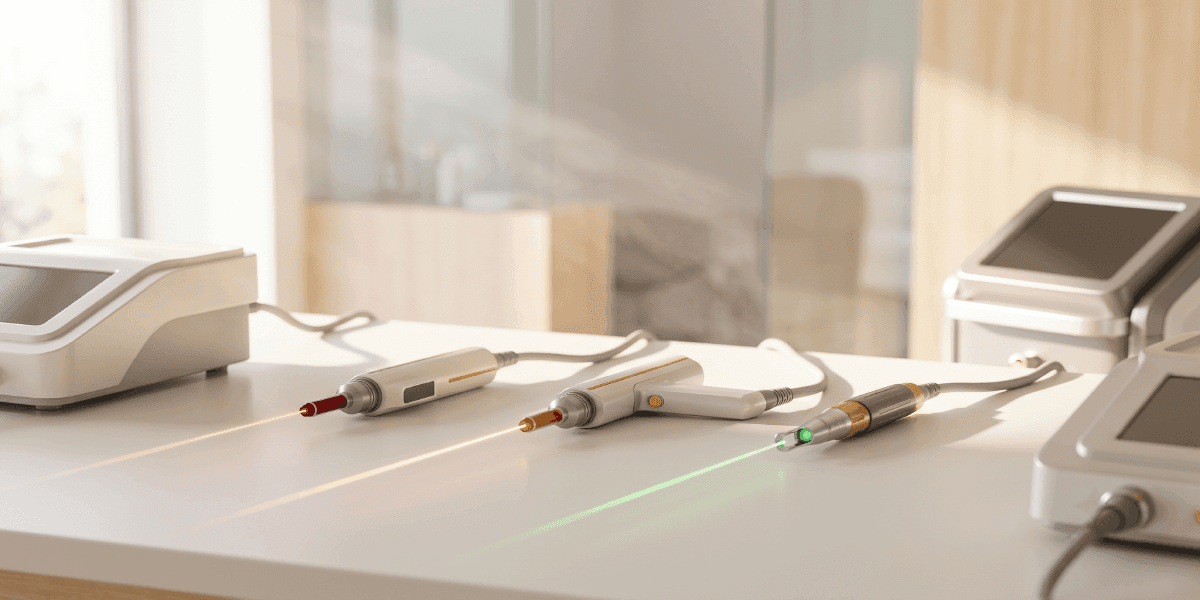
Laser Tattoo Removal Machines — What's Actually in the Room, Decoded
Clinics mainly use two categories: Q-switched lasers (older, cheaper, nanosecond pulses — good for black, can't clear green) and picosecond lasers like PicoWay and PicoSure (newer, faster, gentler, better on stubborn colours). What matters isn't the brand name but the wavelengths it fires — 1064nm for black, 755nm for green, 532nm for red. Ask what wavelengths the machine has, and if the answer is a brand name with no numbers, they don't know their own equipment.

TattoosMapAug 8, 2026 · 0 Comments

Pico Laser Tattoo Removal — Is the Premium Actually Worth It?
Pico is worth the premium if your tattoo has stubborn colours like green or teal, if you have darker skin and want the lower scarring risk, or if finishing faster genuinely matters to you. It's not worth it for small amateur black tattoos or fading for a cover-up, where Q-Switch does the same job cheaper. For professional black work the total cost often lands close either way, so it comes down to how much you value fewer months and less discomfort.
TattoosMapAug 7, 2026 · 0 Comments

Price for Tattoo Removal Laser — What You'll Actually Pay
Expect $75 to $500 per session depending on size, device, and city, with most people spending $1,200 to $3,500 total for a professional black tattoo and $2,800 to $8,000+ for multicolour or cover-ups. Session count drives the total more than session price does, so the cheapest per-session clinic often costs the most overall. Always calculate total cost — sessions needed times price per session — not the sticker figure.
TattoosMapAug 6, 2026 · 0 Comments
Does Tattoo Removal Cause Cancer? What the Evidence Actually Shows
No, there's no evidence that laser tattoo removal causes cancer, and the lasers used don't emit the ionising or UV radiation that damages DNA. The legitimate open question is about the chemistry of fragmented ink — some breakdown products have raised questions in lab studies — but nothing has been shown to cause cancer in people. If you're worried, the tattoo ink itself is the more studied concern, not the removal.
TattoosMapAug 5, 2026 · 0 Comments
Q-Switch Laser Tattoo Removal — The Budget Workhorse, Honestly Assessed
Q-Switch is the right call for black or black-and-grey tattoos, small amateur work, and fading for a cover-up, where its lower price beats picosecond and the extra sessions don't matter. It cannot meaningfully clear green, teal, or most yellows, and it delivers more heat to your skin, meaning more discomfort and a higher scarring risk than picosecond. If your tattoo is all black and your budget is tight, it's the honest workhorse. If it has green in it, look elsewhere.
TattoosMapAug 3, 2026 · 0 Comments

Surgical Tattoo Removal — When Cutting It Out Beats Lasering It Off
Surgical excision is worth considering for small tattoos, ink that laser can't clear (some yellows, whites, and greens), people who can't commit to a year of laser sessions, and reactions to tattoo ink. It's a single procedure with a guaranteed result, but it leaves a permanent linear scar and only works where skin is loose enough to close. For anything larger than a few centimetres, laser is almost always the better trade.
TattoosMapAug 2, 2026 · 0 Comments
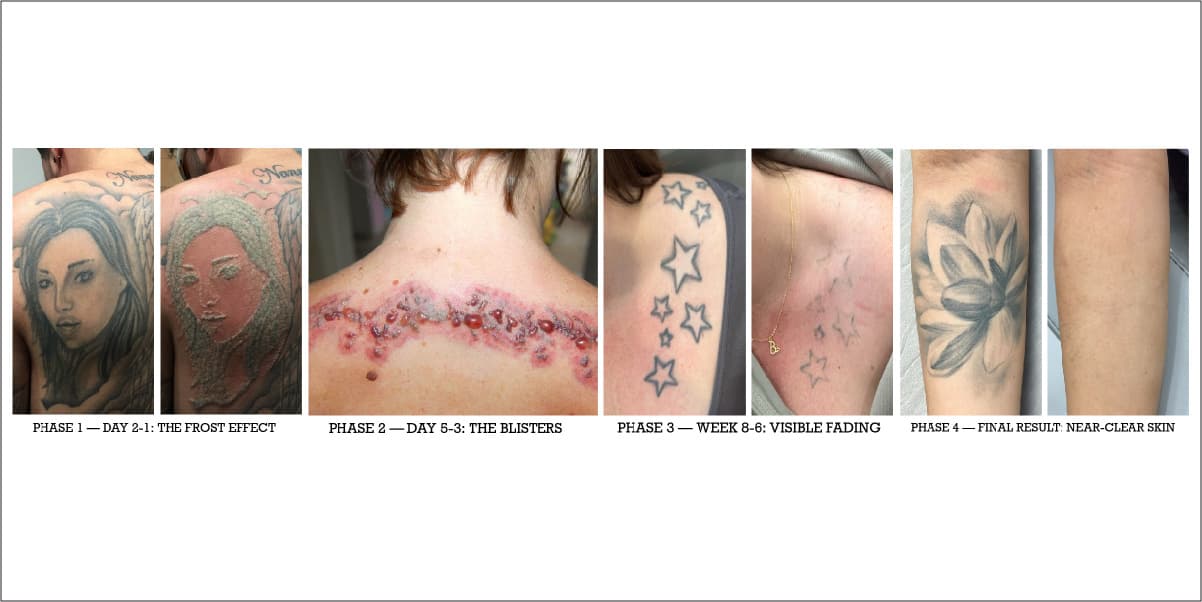
Tattoo Removal — What Each Phase Actually Looks Like
This guide walks you through the four phases of laser tattoo removal in the order you'll actually see them — the frost, the blisters, the fade, and the final result — with a photo of each so you know exactly what you're looking at. The thing most people never learn is that the two scariest-looking phases, the white frost and the blisters, are the most normal parts of the entire process.
TattoosMapAug 1, 2026 · 0 Comments

Tattoo Removal Financing — How to Pay for Sessions
A single session typically runs somewhere between $75 and $500 depending on size, colour and clinic, and most tattoos need 6 to 12 sessions spread over 12 to 24 months. That means your real number is the full course cost, usually somewhere in the low four figures, paid in instalments across two years rather than upfront. Your options are pay-as-you-go, a prepaid package at a discount, a medical credit card, a personal loan, or a buy-now-pay-later plan — and the differences between them are worth thousands.
TattoosMapJul 31, 2026 · 0 Comments
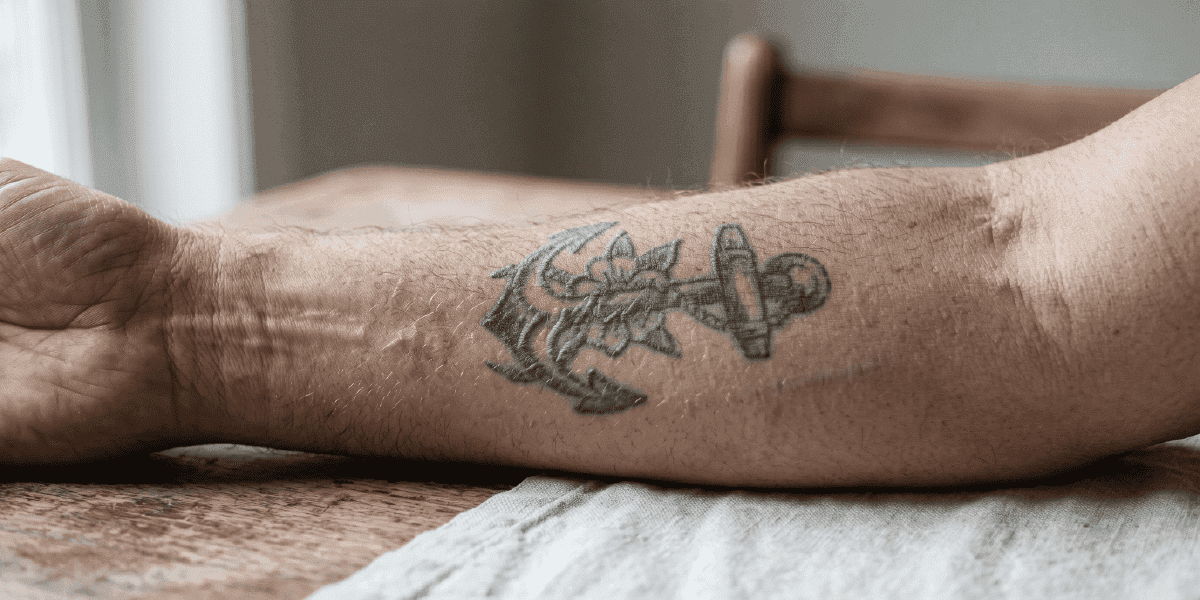
Tattoo Removal Scars — Will Laser Leave a Mark
Most people worry laser removal will trade a tattoo for a scar, but proper laser treatment rarely scars — it's built to reach the ink without damaging the surrounding skin. The real scarring risk lives around the laser rather than in it: aftercare mistakes like picking and sun exposure, excessive fluence from a careless tech, infection, and personal factors like keloid tendency or scarring that was already under the original tattoo. This covers what actually causes marks, who's genuinely at higher risk, and how to keep your odds of scar-free healing as high as possible.
TattoosMapJul 30, 2026 · 0 Comments